Proximity-Induced Protein Degradation
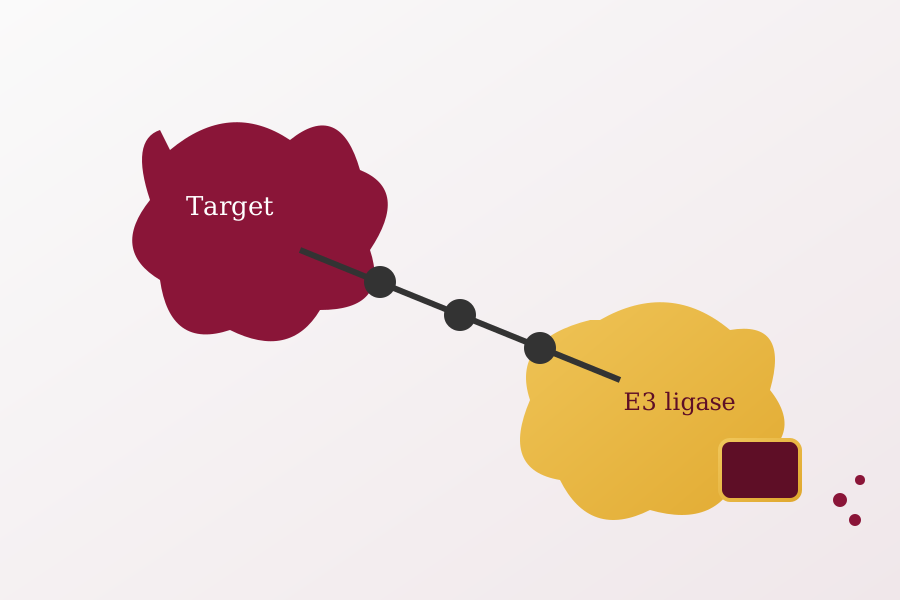
Proximity-induced protein degradation is transforming the landscape of drug discovery by enabling the selective elimination of disease-causing proteins rather than simply inhibiting their activity. By harnessing the cell’s natural protein quality-control machinery, degraders recruit a target protein into close proximity with an E3 ubiquitin ligase, triggering ubiquitination and subsequent degradation by the proteasome. This catalytic mechanism has the potential to produce deeper, longer-lasting pharmacological effects while expanding the range of therapeutically actionable targets, including proteins that have traditionally been considered “undruggable.”
At Cheminpharma, we are developing innovative small-molecule degraders that leverage proximity-induced mechanisms to address challenging therapeutic targets. Our research integrates medicinal chemistry, structure-based drug design, computational modeling, and chemical biology to design next-generation degraders with optimized potency, selectivity, pharmacokinetics, and drug-like properties. We are particularly interested in advancing macrocycle-based degraders and molecular glues that offer the potential to achieve highly selective target engagement while overcoming limitations associated with conventional small-molecule inhibitors. Through these efforts, we aim to expand the therapeutic possibilities for cancer, rare diseases, and other serious disorders.